

How Does Paper-Plastic Composite Valve Mouth Paper Bag Block Moisture?
2026-10-09
A customer complaint arrives at a cement plant: twenty pallets of mortar mix have arrived at the construction site with hard lumps inside the bags. The bags were stored under a tarp for three weeks in a humid climate. The plant manager compares this to another shipment that used a Valve Mouth Paper Bag with a paper-plastic composite structure. That shipment sat in the same warehouse for three months without any caking. The difference is not the product. It is the bag. This guide explains how the paper-plastic composite structure blocks moisture and why the valve mouth design is critical for both filling efficiency and moisture protection.
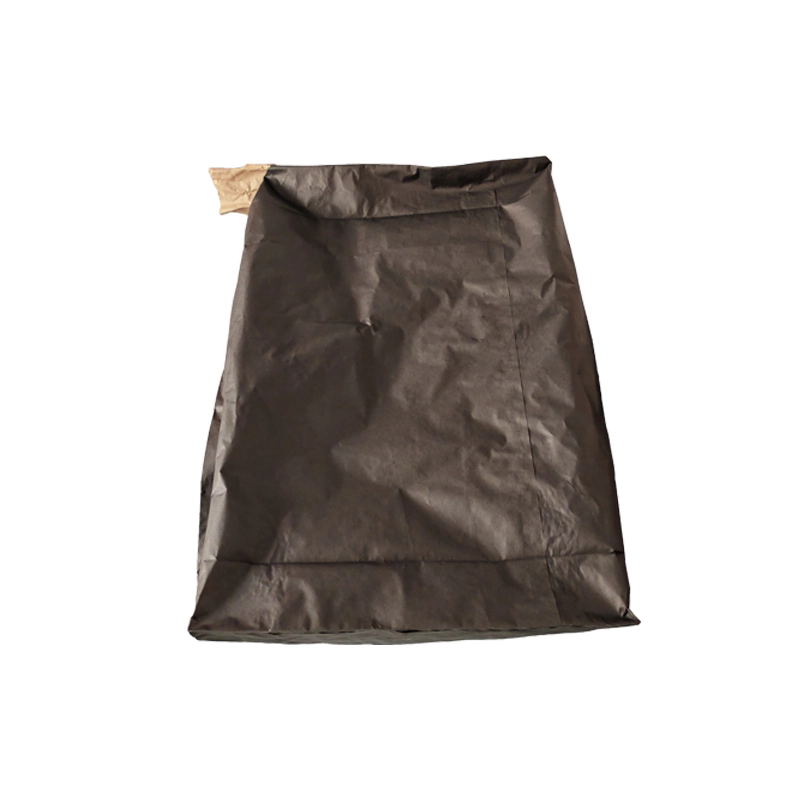
1. What Are the Three Pathways for Moisture to Enter a Valve Mouth Paper Bag?
Moisture can enter a Valve Mouth Paper Bag through three pathways. The first is through the bag wall. Water vapor molecules diffuse through the paper and the plastic film at a rate determined by the material's water vapor transmission rate. The second is through the valve opening. If the valve does not seal properly after filling, humid air can enter through the gap. The third is through the seams and folds. If the seams are not fully sealed, moisture can wick along the paper fibers. The table below shows the contribution of each pathway to total moisture ingress for a standard 50 kg bag.
| Moisture pathway | Contribution to total ingress | Primary control method |
| Bag wall (paper only) | 60 – 70% | Add plastic film layer |
| Bag wall (paper-plastic composite) | 20 – 30% | Optimize film thickness and adhesive |
| Valve opening | 15 – 25% | Valve design and sealing pressure |
| Seams and folds | 10 – 15% | Hot melt adhesive and fold geometry |
In our factory, we have tested the moisture ingress of different bag structures using a gravimetric method. A bag is filled with dry powder, sealed, and placed in a humidity chamber at 40°C and 90 percent relative humidity. The weight gain is measured over 30 days. A standard paper bag gained 1.8 percent moisture. A paper-plastic composite Valve Mouth Paper Bag gained 0.3 percent moisture. The difference is the plastic film layer, which reduces the water vapor transmission rate by 80 to 90 percent.
2. How Does the Paper-Plastic Composite Structure Block Water Vapor?
A paper-plastic composite Valve Mouth Paper Bag consists of multiple layers. The outer layer is typically kraft paper, which provides strength and printability. The inner layer is a plastic film, such as polyethylene or polypropylene, which provides the moisture barrier. The layers are bonded together with an adhesive. The plastic film is the critical layer for moisture blocking. The water vapor transmission rate of the film depends on the polymer type and the thickness. The table below shows the WVTR of common films used in paper-plastic composite bags.
| Film material | Thickness (µm) | WVTR (g/m²/day at 38°C, 90% RH) | Moisture blocking performance |
| LDPE | 30 | 15 – 20 | Moderate |
| LDPE | 50 | 8 – 12 | Good |
| HDPE | 30 | 5 – 8 | Very good |
| PP | 30 | 4 – 6 | Very good |
| PET | 12 | 15 – 25 | Moderate |
| Metallized PET | 12 | 0.5 – 2 | Excellent |
For most powder products, a 50 µm LDPE film provides adequate moisture protection for 3 to 6 months in a humid climate. For longer storage or more sensitive products, a 30 µm HDPE or PP film is recommended. For the most demanding applications, a metallized PET film can be used, but it is more expensive. In our factory, we select the film based on the product sensitivity and the required shelf life. Wenzhou Chenxing Packaging Co., Ltd. has been manufacturing Valve Mouth Paper Bag units for over 15 years.
3. How Does the Valve Mouth Design Prevent Moisture Ingress After Filling?
The valve mouth is the opening through which the bag is filled. After filling, the valve must close tightly to prevent moisture from entering. The valve is typically a folded paper or film sleeve that is pushed open by the filling nozzle and then collapses under the internal pressure of the powder. The sealing performance depends on the valve geometry and the internal pressure. The table below shows the valve sealing performance for different designs.
| Valve design | Sealing mechanism | Moisture ingress rate (g/day) | Filling speed (bags/hour) |
| Standard paper valve | Internal pressure only | 0.8 – 1.2 | 600 – 800 |
| Paper valve + film liner | Internal pressure + film memory | 0.3 – 0.5 | 600 – 800 |
| Film valve with lip seal | Internal pressure + lip contact | 0.1 – 0.2 | 500 – 700 |
| Film valve + heat seal | Heat seal after filling | < 0.05 | 300 – 500 |
The film valve with a lip seal provides a good balance of moisture protection and filling speed. The lip seal creates a contact pressure that closes the gap when the bag is not being filled. For the highest moisture protection, a heat seal can be applied after filling, but this reduces the filling speed because the bag must be sealed separately. In our factory, we manufacture Valve Mouth Paper Bag units with film valves that include a lip seal. Wenzhou Chenxing Packaging Co., Ltd. can also provide heat sealable valves for sensitive products.
4. What Are the Additional Design Features That Improve Moisture Resistance?
Beyond the film layer and the valve design, there are three additional features that improve moisture resistance. The first is the seam adhesive. The seams must be sealed with a hot melt adhesive that does not absorb moisture. The second is the fold geometry. The folds at the bottom of the bag must be designed to drain water away from the seams. The third is the surface treatment. A water-repellent coating on the outer paper layer reduces the amount of liquid water that can be absorbed during rain or condensation. The table below shows the effect of these features on moisture ingress.
| Feature | Moisture ingress reduction | Cost impact |
| Hot melt seam adhesive | 15 – 20% | Low |
| Drainage fold geometry | 10 – 15% | None (design change) |
| Water-repellent outer coating | 20 – 30% | Moderate |
| Combination of all three | 40 – 50% | Moderate |
Field tip: Even the best moisture barrier bag can fail if the bag is damaged during handling. A puncture in the outer paper layer exposes the film, and a puncture in the film creates a direct path for moisture. We recommend inspecting bags for damage before filling and handling filled bags with care. In our factory, we use a puncture-resistant film for applications where rough handling is expected.
Frequently Asked Questions About Valve Mouth Paper Bag Moisture Blocking
Summary for Packaging Engineers and Plant Managers
A paper-plastic composite Valve Mouth Paper Bag blocks moisture through a combination of a plastic film layer, a sealed valve design, and moisture-resistant seams. The plastic film reduces the water vapor transmission rate by 80 to 90 percent compared to a paper-only bag. The valve design prevents moisture from entering through the filling opening. The seams and folds are designed to resist wicking. For powder products that are sensitive to moisture, the paper-plastic composite bag is the preferred choice. Wenzhou Chenxing Packaging Co., Ltd. has been manufacturing Valve Mouth Paper Bag units for over 15 years and supplies to cement, mortar, and chemical plants worldwide.
Wenzhou Chenxing Packaging Co., Ltd. manufactures Valve Mouth Paper Bag units with LDPE, HDPE, PP, and metallized PET films. We provide WVTR data and shelf life estimation for all of our products.