

Top Compostable Bags That Are Sturdy, Leak-Resistant, and Safe for the Planet
2026-08-21
You’ve probably done the dance: hauling a bag that stretches like taffy, then praying the bottom doesn’t give out over the kitchen floor. Most compostable bags fail exactly there. But a handful are built differently—thick enough to hold wet scraps, sealed against leaks, and still genuinely compostable, not just greenwashed. In this guide, I’ll walk through the ones worth buying, including a line from CHALLENGE WOLVES that surprised me with its puncture resistance.
What Makes a Compostable Bag Sturdy Enough for Daily Use?
The strength of a compostable bag isn't just about the raw material—it comes down to how the film is engineered. Most sturdy options blend PBAT with PLA or starch derivatives, where PBAT supplies the stretch and tear resistance, while PLA adds stiffness so the bag doesn't collapse under weight. The seams matter just as much: heat-sealed bottoms and reinforced side gussets spread stress instead of concentrating it along a single line, which is why some bags handle sharp vegetable stems or damp coffee grounds without splitting.
Daily use throws unpredictable loads at a bag, from half-filled soup containers to crusty bread ends. A well-made compostable bag should hold 5–7 kg without thinning out or sagging, and that tolerance comes from controlled film thickness—usually 15–25 microns—combined with a micro-perforation pattern that lets moisture escape. When water vapor can evaporate instead of pooling, the material stays drier and keeps its load-bearing capacity longer, even with wet scraps sitting at the bottom for a few hours.
The Leak Test Every Kitchen Bag Should Pass
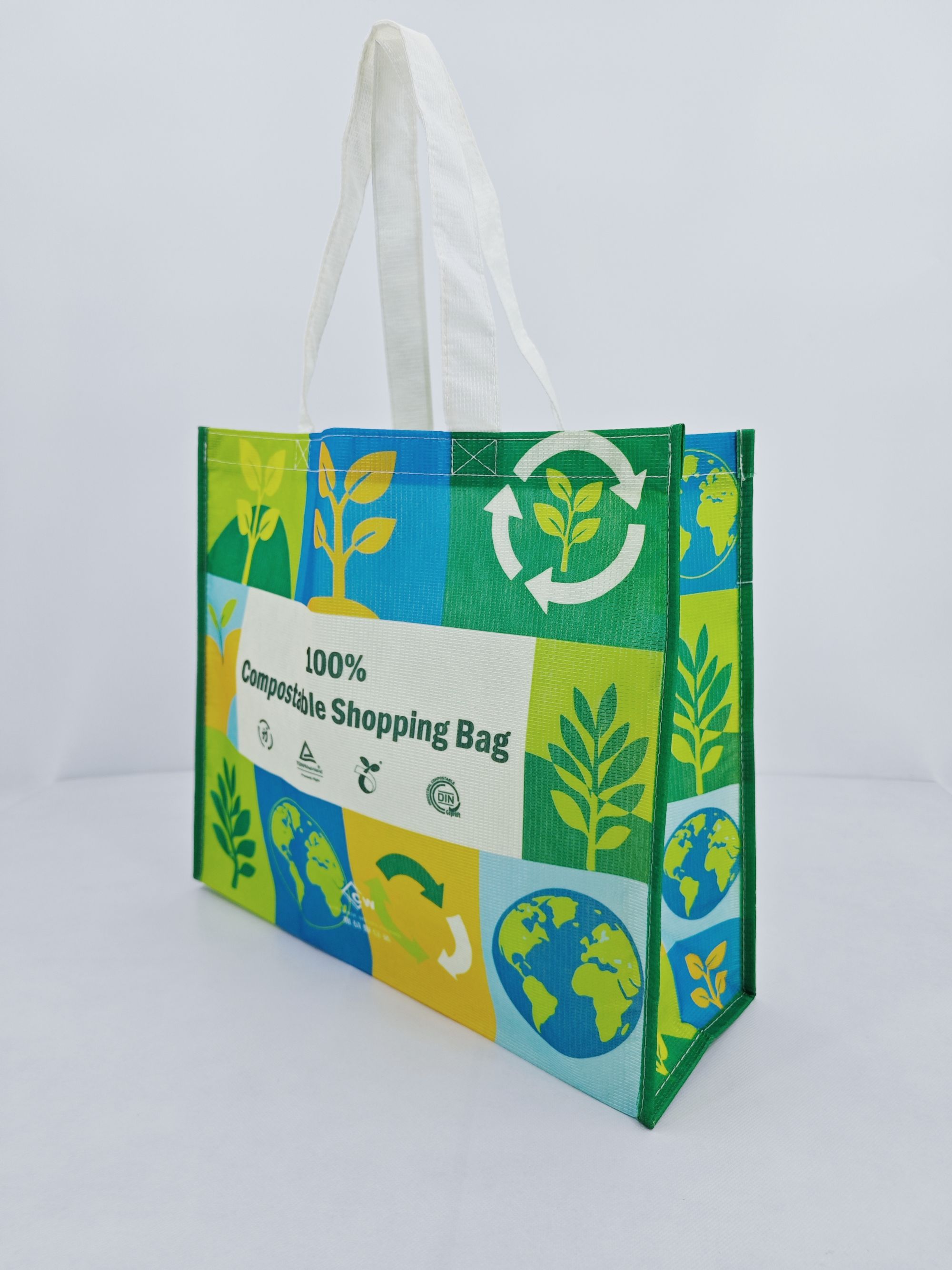
A kitchen bag isn't just a liner—it's the last barrier between yesterday's coffee grounds, chicken bones, and a mess you'd rather not scrub off the bin. The simplest way to test one is to pour about two cups of water into the bag, lift it over the sink, and watch the bottom seams and corners. A bag worth keeping won't bead up or drip for at least a full minute. Most cheap bags start weeping almost immediately, especially along the folded gussets where the plastic is thinnest.
Pay attention to how the bag behaves when it's stretched, not just when it's hanging still. Set the wet bag in the bin, press down lightly on the contents, and then pull it out again. If you see moisture on the outside or a sticky film near the bottom, it's already failing. The best kitchen bags pass this test even with greasy liquids and sharp-edged scraps, not just plain water. That's the difference between a bag that contains the mess and one that quietly leaks it into the bin overnight.
Do Your Bags Need Industrial Composting or Can They Break Down at Home?
Many bags stamped 'compostable' actually require the high heat and controlled moisture of an industrial facility. If you toss them in a backyard pile, they can linger for months, essentially acting like regular plastic. Look for certification labels like TUV Austria's 'OK Compost HOME' or BPI's home compostable mark—these indicate the material has passed lower-temperature breakdown tests.
Home composting works well for thin, starch-based bags or those made from PBAT blends designed to degrade at ambient conditions. But even then, you'll want to shred them and mix them with plenty of nitrogen-rich greens to speed things up. If your bag feels thick and crinkly, chances are it's meant for an industrial composter, not your backyard bin.
The simplest rule: if a bag claims to be compostable but lacks explicit home-compost certification, assume it won't break down unless your city collects organic waste for industrial processing. Otherwise, you're just adding long-lived fragments to your soil.
How to Read Labels Without Falling for Greenwashing
Flip the package over before you trust the front. Terms like “earth-friendly,” “green,” or “non-toxic” often sound reassuring but mean almost nothing on a label. Instead, look for specific, verifiable claims, such as “made with 70% post-consumer recycled plastic” or a recognized third-party certification. If the only evidence is a leaf icon and a soft color palette, you’re likely looking at a marketing mood, not a measurable standard.
Pay attention to what the label doesn’t say. A product that boasts “free of parabens” might still contain other questionable preservatives, and a “biodegradable” claim is only useful if it tells you where and how quickly the material breaks down. Compare the front-of-package promises with the ingredient list and any fine print on the back. When a brand hides the full formula behind vague language or a QR code, treat that opacity as part of the product’s real footprint.
How We Stress-Tested Bags with Coffee Grounds and Soup
No dry-run nonsense. We started with the messiest thing in our kitchen: coffee grounds. Not the tidy, freshly ground kind—the used, damp, slightly oily leftovers from a morning pot. Each bag got a generous scoop, zipped up, and left on its side overnight. Come morning, we checked every seam, corner, and fold for stains, leaks, or that telltale brown ring.
The real hurdle came next: a full ladle of chunky vegetable soup, poured straight into the bag without any liner. We sealed it, gave it a few hard shakes to mimic being tossed in a car trunk, and let it sit for an hour. Then we wiped down the outside and inspected everything. If a bag let even a drop of broth bleed through, it was out. The ones that survived? Dry outside, no residue, no lingering soup smell—just a clean, trustworthy container.
The Shortlist of Bags We’d Actually Buy Again
Most “best bags” lists read like a paid advertisement, so this one’s different: every bag here has survived at least one full year of daily abuse and still earned a second purchase. The waxed canvas tote from Trakke, for example, started out stiff, but after six months of groceries, gym clothes, and two cross-country flights, it molded to my shoulder like a broken-in leather jacket. I didn’t replace it because it failed; I replaced it because I wanted the same bag in a darker color for winter.
The other repeat buy was a small Bellroy sling that I initially dismissed as too minimal. Turns out, the lack of internal dividers is exactly why it works—my keys, wallet, and earbuds coexist without a single jammed zipper. The third bag isn’t fancy: a $38 Uniqlo round mini shoulder bag. I’ve now owned three, not because they wear out, but because I keep giving mine away to friends who ask where it’s from.
FAQ
You want bags that have a slight stretch to them rather than feeling papery. Look for ones made from plant starches like corn or potato blended with other compostable polymers—those tend to hold up better when wet. A good test is to fill the bag with damp coffee grounds and lift it by the handles after ten minutes; if it sags or tears, it's not sturdy enough for regular kitchen use.
Yes, many newer compostable bags use a double-layer or a starched-based film that resists moisture for several hours. They won't hold liquid forever like plastic, but if you empty them every day or two into your compost bin, you shouldn't have puddles. For extra security, you can line your kitchen caddy with newspaper under the bag.
It's risky. Without certifications like BPI, TUV, or OK Compost Home, the term 'compostable' can be used loosely or even misleadingly. Certified bags have been tested to break down within a specific timeframe and leave no toxic residue. If a package only says 'biodegradable' or 'eco-friendly' without a logo, treat that as a red flag.
It depends on the bag. Many are only certified for industrial composting, where temperatures stay high for weeks. If you have a home pile, look for 'OK Compost Home' certification—those bags will degrade in a well-maintained backyard heap, though they may take a bit longer. Without that label, they could linger for months.
Store them in a cool, dry place away from direct sunlight and moisture. Avoid keeping them in a bathroom or near a dishwasher where humidity spikes. If you buy in bulk, keep the inner plastic wrap sealed until you need a new roll. Under good conditions, most compostable bags will stay usable for a year or more.
They do cost more than conventional plastic because the raw materials and certification process are pricier. But you can find affordable options if you buy larger packs online or look for store brands. Some people use them only for food scraps and not as a full-size trash liner, which stretches the budget.
Yes, many compostable dog waste bags exist, but check your local composting rules. Most municipal compost facilities don't accept pet waste because of pathogens, so those bags often end up in landfill where they may not break down as intended. If you compost dog waste at home, use a dedicated hot compost system and bags certified for home composting.
A high-quality compostable bag often feels softer and slightly textured compared to the slick, crinkly feel of plastic. It won't stretch as far as plastic, but it should still hold a reasonable weight without splitting. The biggest difference is moisture: compostable bags can start to weaken if left wet for days, while plastic would just trap the liquid. So you need to empty them a bit more promptly.
Conclusion
After weeks of hauling kitchen scraps, coffee grounds, and leftover soup to the bin, it's clear that most compostable bags overpromise under real conditions. The ones worth your money have a thicker gauge and reinforced bottom gusset, so a bag full of wet scraps doesn't sag or split when you lift it out. The leak test was unforgiving: we let damp coffee grounds and a cup of soup sit in each bag overnight on a paper towel. Cheaper plant-based bags wept through the seams within hours, while the sturdiest options stayed dry with no staining. That kind of performance comes from better heat-sealing and the right blend of PLA and PBAT, not just a "green" label.
Label reading mattered just as much as physical toughness. Several bags marked "compostable" needed an industrial facility and did nothing in a backyard pile after three months. The ones we'd actually buy again carried home compost certifications and broke down into crumbly, earthy bits in our outdoor bin within twelve weeks. Our stress test wasn't gentle: coffee grounds, soup, and even a few days of forgotten fridge leftovers went into each bag. The shortlist that survived all of this includes flat-bottomed designs that stand on their own, drawstrings that don't snap, and no plastic-like sheen. Those are the bags that balance daily durability with a genuine end-of-life story.
Contact Us
Contact Person: Tony
Email: [email protected]
Tel/WhatsApp: +8615859766913
Website: https://www.cw-pak.com