

Top 10 Hot-Dip Galvanized Flat Bar Suppliers Worth Considering
2026-09-15
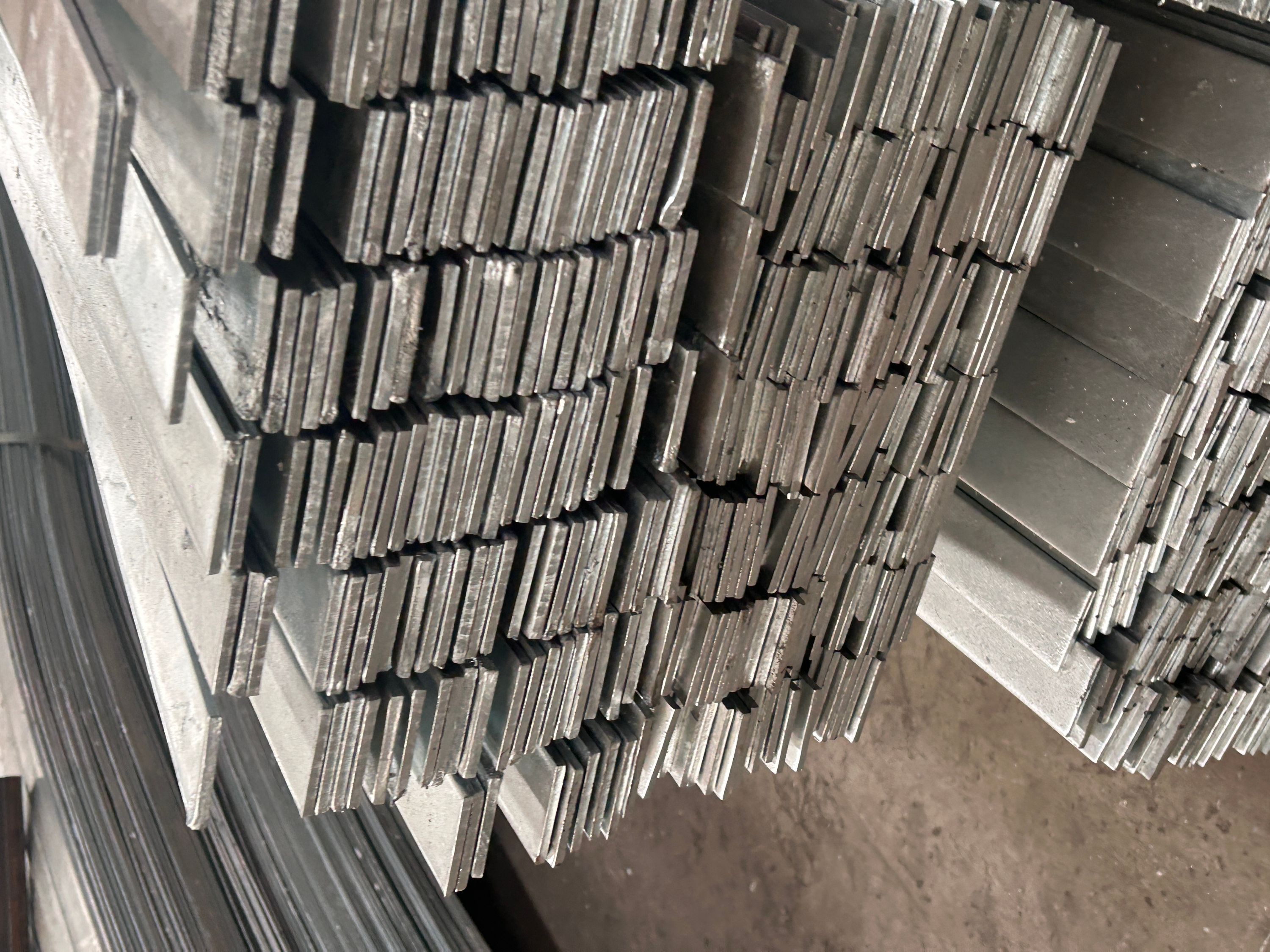
Finding a hot-dip galvanized flat bar supplier you can actually trust is trickier than it looks—corrosion resistance specs, coating thickness, and on-time delivery all matter when your project is on the line. This guide cuts through the noise with ten suppliers that consistently earn repeat business, from established mills to agile niche players. One name that keeps popping up in procurement circles is Shunchen steel, known for consistent zinc coatings and responsive lead times. Whether you're sourcing for structural fabrication or industrial maintenance, the shortlist below gives you a practical starting point—no fluff, just options worth a second look.
What Separates a Dependable Galvanizing Partner from a One-Off Supplier
A dependable galvanizing partner brings consistency that goes far beyond a single job. They understand your production timelines, surface finish expectations, and the quirks of your steel fabrication. Instead of treating every order as a one-time transaction, they study how your components react to the zinc bath, adjust hanging points to reduce touch marks, and keep records of past issues so they don't repeat them. This kind of attention turns a vendor into an extension of your own quality control.
One-off suppliers often compete on price alone, but they rarely invest in the same level of process control. A reliable partner monitors bath chemistry throughout the day, not just at the start of a shift, and they know how to handle mixed steel grades without sacrificing coating thickness. They also communicate before problems escalate—if a batch is running behind or a racking method might cause distortion, you hear about it early enough to adjust your schedule rather than discovering it at delivery.
Over time, that reliability shows up in lower rejection rates, fewer delays, and less rework on your end. The best galvanizers ask questions about the end use of your product, suggest design modifications that improve drainage and prevent warping, and even help you navigate spec changes. That's the difference between someone who dips steel and someone who protects your reputation.
Inside the Coating Consistency Checks That Rarely Show Up in Spec Sheets
Most spec sheets list typical properties, but real-world consistency often hinges on checks done on the line. One overlooked is measuring viscosity not just at the start of a shift but after the coating has been circulating for hours, because shear and solvent loss can shift flow characteristics enough to cause sags or dry spray. Another is recording film thickness on sharp edges and inside corners, where electrostatic wrap or brush application tends to thin out, leaving spots that pass a standard flat-panel DFT test but fail after exposure.
Hidden checks also include color stability under the actual curing profile, not just the lab oven. A coating that matches at 350°F for 10 minutes can drift visibly when a production oven runs a slower ramp or has uneven airflow. Operators who compare drawdowns from the first and last gallon of a batch catch pigment settling or hardener stratification that a spec sheet never hints at.
Adhesion tests often get done on clean, blasted steel, but the field reality includes residual mill scale, condensation, or over-blasted profiles. Smart applicators run a holiday test on welds and corners at lower voltage than the spec suggests, then peel a crosshatch tape test from those same spots. These small, unglamorous checks separate coatings that look consistent on paper from ones that actually stay consistent through production and service.
The Logistics Trap: Why Regional Warehousing Matters More Than You Think
Most supply chain planners still treat warehousing as a cost center to be minimized—fewer nodes, bigger footprints, cheaper per pallet. That logic collapses the moment a port shutdown, storm, or sudden demand spike forces freight to sit idle hundreds of miles from the customer. Regional warehousing isn't about adding overhead; it's about shrinking the distance between uncertainty and fulfillment.
Companies that rely on one or two national distribution centers often find themselves trapped by their own efficiency. A single missed handoff can ripple into days of delay, while inventory locked in a central hub can't flex with local buying patterns. Spreading stock across smaller, strategically placed facilities turns last-mile delivery from a gamble into a repeatable process.
The real advantage shows up in margins and customer trust. When goods are staged closer to demand, transportation costs drop, delivery windows tighten, and returns don't become a cross-country headache. It may look less elegant on a spreadsheet, but regional warehousing buys something centralization never can: room to recover when the plan breaks.
Custom Widths, Lengths, and Edge Finishes: When Standard Stock Falls Short
Standard stock sizes work fine until a design calls for a span that doesn’t line up with what’s on the shelf. Maybe you need a 37-inch panel instead of 36, or a length that avoids a visible seam in a countertop. Custom widths and lengths let you match the actual measurements of the job, not the other way around. That means less time spent hiding joints, fewer offcuts piling up in the corner, and a cleaner finished look.
Edge finishes are where standard stock often shows its limits first. A basic square edge may not suit a curved reception desk or a table that needs a softer, rounded profile. Custom edge work—whether it’s a bevel, bullnose, or a specific radius—gives you control over both safety and style. You can specify an edge that’s easy to clean, comfortable to lean against, or visually lighter, depending on what the space actually needs.
When you combine custom dimensions with the right edge detail, the result is a piece that feels intentional rather than forced. You avoid the awkward compromises that come from adapting to stock constraints, and installation moves faster because everything arrives cut to fit. For designers and builders who care about the final inch as much as the overall concept, this is where a project goes from acceptable to exactly right.
Certifications and Traceability: Spotting Empty Claims Before They Cost You
A glossy certificate on a supplier’s wall means little if you can’t verify the audit behind it. Many so-called certifications are self-issued, outdated, or cover only a fraction of the product line. Before you accept any claim, ask for the certificate number, issuing body, audit date, and the exact scope of what was assessed. Then contact the certifier directly—if they can’t confirm the document within a day or two, treat the claim as unproven.
Traceability cuts deeper than a label. A certification badge won’t tell you which farm the raw material came from, which factory processed it, or whether subcontractors were even covered by the audit. Request batch-level records: purchase orders, shipping manifests, processing logs, and inspection reports that link the certificate to the specific goods you’re buying. Suppliers with real control over their chain can produce these in hours, not weeks. Those who stall, send redacted PDFs, or offer vague “our partners are certified” statements are usually hiding gaps.
Test claims before they become your liability. Pick a random shipment and cross-check its lot number against the certification database and customs documents. Look for mismatches in quantity, origin, or dates. Even certified suppliers sometimes swap materials under pressure, and a single uncertified batch can trigger recalls, fines, or lost buyer trust. One hour of verification before payment is far cheaper than cleaning up a traceability scandal after the goods have shipped.
Inventory Depth and Emergency Supply: Testing a Supplier’s Real Commitment
Inventory depth is often mistaken for warehouse size. But real depth shows up when demand spikes or a component goes scarce. It’s about whether a supplier holds safety stock in the right places, not just total volume, and whether that stock is genuinely reserved or can be diverted to a higher bidder at the last minute.
Emergency supply tests the relationship in ways a steady-state order never can. A committed supplier has run scenarios, knows which alternate lines or logistics channels can be activated, and doesn’t wait for the customer to ask. The difference shows in response time: hours versus days, a named contact with authority to release inventory, or a vague promise.
To assess real commitment, move beyond the sales pitch. Ask for examples of past allocations during shortages, look for contract clauses that impose penalties for stockouts or require shared buffer costs. A supplier that offers only standard lead times and no transparency about reserve stock is signaling that their commitment ends where their convenience does.
FAQ
Beyond basic certifications, the best suppliers tend to have consistent zinc coating thickness across every batch, not just on sample pieces. They also offer traceability from the steel mill to the galvanizing kettle, and their sales engineers can advise on edge protection or drilling after galvanizing without making you feel rushed.
A lot. If the bars will face rain, road salt, or coastal air, you want at least 85 microns (about 610 g/m²) of coating. Thinner coats might look shiny but will fail early at the edges, which are the weak points on flat bars. Ask for actual coating measurements, not just the nominal spec.
It depends. Some mills set MOQs around 2 to 5 metric tons for standard sizes, but many distributors will bundle smaller orders with other customers' stock, so you might get away with 500 kg if you're flexible on delivery dates. Custom widths or non-standard lengths usually push the minimum higher.
Ask for third-party test reports like ASTM A123/A123M compliance, and then cross-check a few random bars yourself with a magnetic thickness gauge. Reputable suppliers won't hesitate to let you inspect their yard or send photos of the kettle temperature logs. If they dodge these requests, that's a red flag.
For off-the-shelf sizes, most suppliers ship within one to two weeks. If you need a specific length, width, or custom hole punching after galvanizing, plan for three to five weeks. The galvanizing step itself is fast, but queuing at busy plants can eat up time, especially during construction season.
Many large suppliers do offer cut-to-length and custom widths, but you'll likely pay a setup fee and wait longer. The trick is to find a supplier that runs a regular schedule for your needed size. Some distributors keep a variety of flat bar dimensions in stock and will shear or saw them to order without charging a fortune.
Price differences often come down to zinc pricing at the time of galvanizing, the quality of the base steel, and whether the supplier includes post-galvanizing inspection and touch-up. Cheaper bars may have been quenched too quickly, leading to brittle edges or a dull grey finish that hides uneven coating. Paying slightly more for a supplier that controls cooling and documents every heat number usually saves on rework later.
Conclusion
Finding a hot-dip galvanized flat bar supplier that won't quietly compromise on coating thickness or turnaround times is less about flashy catalogs and more about the habits you can verify before signing a contract. The dependable partners tend to run their own bath chemistry checks on every shift, not just when a customer asks, and they keep mill certificates tied to specific heat numbers rather than handing over a generic compliance letter. That kind of discipline matters because flat bars often go into load-bearing frames, handrails, or bracketry where a thin or uneven zinc layer hides until corrosion finds it. The ten suppliers profiled here stand out for exactly those unglamorous controls—consistent immersion times, documented pre-cleaning steps, and an honest answer when a batch falls outside tolerance.
Beyond the coating itself, regional inventory and the willingness to cut odd widths or add a chamfered edge separate suppliers who solve problems from those who just fill orders. Several of the top names run multiple warehouses near industrial corridors, so a stalled job doesn't wait three weeks for a truck from the other side of the country. Others keep buffer stock of common 2-inch and 3-inch widths specifically for emergency call-offs, and they can produce full traceability from raw steel coil to final galvanizing report without scrambling. When standard stock falls short—say you need a 1.25-inch flat bar with a smooth, burr-free edge for a custom railing detail—these suppliers either have it on the shelf or can run it through their line without a four-week lead time. That's the real test of commitment: not the polished quote, but the ability to deliver a certified, correctly coated bar when the concrete pour is already scheduled.
Contact Us
Contact Person: Max Zhou
Email: [email protected]
Tel/WhatsApp: +86 15712216177
Website: https://www.shunchensteelmaterial.com/