

Commercial Gym Equipment Wholesale Tips That Help You Save Big
2026-10-06
Buying commercial gym equipment wholesale can feel like navigating a maze—prices swing wildly, quality is inconsistent, and hidden fees lurk around every corner. But what if you could slash your upfront costs without compromising on durability? The trick lies in knowing where to look and how to negotiate. At Yingruis, we've helped countless gym owners turn bulk purchases into serious savings. This guide cuts through the fluff and hands you practical, street-smart tips that actually work. Ready to stop overpaying and start outfitting your space the smart way? Let's dive in.
Skip the Distributor and Go Straight to the Source
Buying directly from the maker changes everything. You skip the markup, sure, but more importantly, you tap into the person who actually knows how the thing was built, where the materials came from, and why one tiny adjustment matters. That kind of conversation doesn't happen in a middleman’s showroom.
Going straight to the source also means your money lands where the work happens. No regional distributor taking a cut, no extra warehousing fees, no inflated “convenience” pricing. Instead, you often get honest guidance, faster fixes when something breaks, and a relationship that lasts longer than a warranty card.
It might feel like extra effort to find the original workshop or factory, but once you do, the difference is obvious. The answers are sharper, the options are real, and you end up with something that fits your situation instead of a one-size-fits-all pitch.
Stack Orders With Fellow Gym Owners
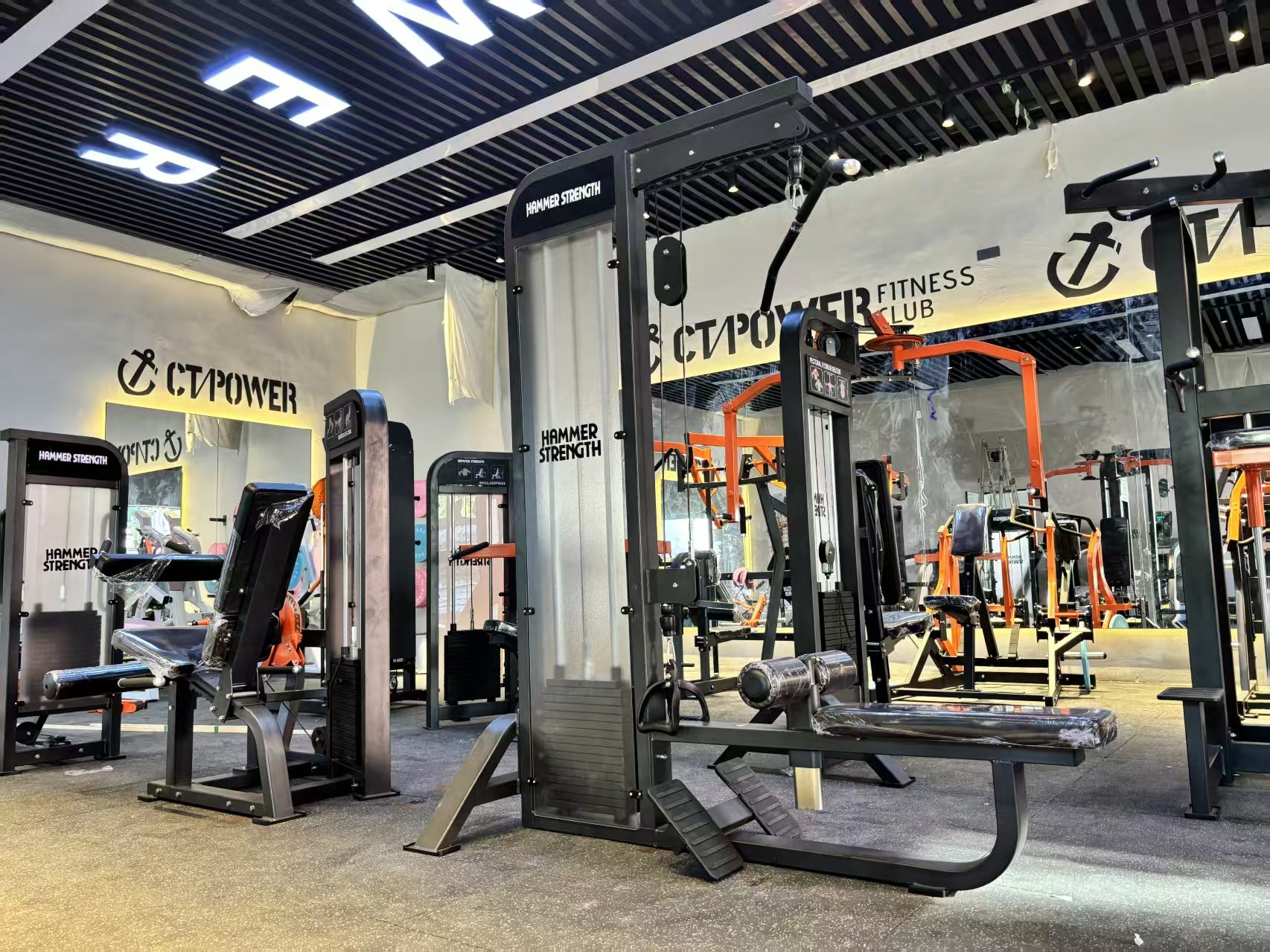
When three or four of us put our heads together on a single purchase order, the supplier suddenly treats us like a chain. A shared order for kettlebells, resistance bands, or even cleaning supplies usually lands a better per-unit price than any of us could get alone.
It's not just about saving a few dollars. Pooling orders lets us split freight costs, try new equipment without overcommitting, and swap notes on which vendors actually deliver on time. We keep a simple shared spreadsheet to track what everyone needs, then one person places the master order.
There's a bit of trust involved—you have to be clear about who pays what and when. But once that's sorted, the extra margin goes straight back into the gym. Last quarter we used the savings to upgrade the sound system in the group fitness room.
Hunt for Demo Units Before They Hit the Floor
Most shoppers assume display models are only available once a store cycles out old inventory, but the real window opens earlier. Sales staff often know when new floor models are scheduled to arrive, and they can flag the outgoing demos before they are wiped down and priced for the floor. Ask a department lead directly, especially midweek, and you might secure a unit that hasn't been handled by dozens of browsers yet.
Another trick is to watch for transfer manifests and unboxing events at big-box retailers. Demo units sometimes arrive weeks before the official display reset, and they sit in back stock or behind customer service. If you have a relationship with a store associate, a quick text can put your name on a unit before it's ever set out. The best finds are open-box or repackaged items that never made it to the showroom but are already marked down internally.
Negotiation works better before the item is placed on the floor because managers have less attachment to the listed price. A demo that has been on display for a month might carry stubborn pricing, but a unit still wrapped in plastic can be released for a lower margin if you mention you're ready to buy that day. Check for cosmetic marks, test the power, and confirm the warranty start date before you leave.
Play the Waiting Game Around Trade Show Season
After a trade show ends, most exhibitors rush to follow up with every badge scan within 48 hours. But that urgency often backfires. Buyers are still traveling, inboxes are flooded, and your message gets lost in the same wave as everyone else’s. Waiting a few extra days—or even a week—lets your name stand out when the noise settles. It also gives you time to sort leads by actual interest instead of blasting a generic email to everyone.
The waiting game isn’t about being lazy; it’s about being deliberate. Use the gap to research each prospect’s company, recall the conversation from the booth, and send a note that references a specific pain point or joke you shared. Then space out your follow-ups: a second touch after another five days, a third after two weeks. This slower cadence feels less like a sales pitch and more like a colleague checking in. The deals worth having rarely close in the first week after a show, but they do close when you treat timing as part of the pitch.
Ask for a Cash-and-Carry Discount Without Flinching
Most buyers leave money on the table because they treat the listed price as final. If you're paying in full right now and hauling the items away yourself, you're saving the seller time, labor, and risk. Say that plainly.
Instead of "Can you do better on price?", try something like, "I can pay cash and take it today—what kind of break does that get me?" The question isn't aggressive; it just names the two things you're offering that most customers don't.
If the seller hesitates, don't fill the silence. Let the awkward pause sit. A cash-and-carry buyer is rare enough that many sellers will shave 5 to 10 percent just to close the deal without having to store, pack, or chase a payment.
Build a Relationship, Not Just a Transaction
Every sale you make leaves a trace. The customer remembers how they felt, not just what they bought. When you treat each interaction as a chance to understand someone's needs, you stop chasing single purchases and start building a loyal following. People can sense when they're just a number in your pipeline, and that feeling drives them away faster than any bad product could.
Real connection comes from small, consistent gestures: remembering a name, following up on a past issue, recommending something because it genuinely fits, not because it boosts your margin. These moments might not scale easily in a spreadsheet, but they multiply in word-of-mouth. A buyer who feels valued won't just return—they'll bring their friends, their colleagues, and their trust. That's the kind of growth no ad budget can manufacture.
Shift the focus from closing deals to opening conversations. Ask better questions. Listen without planning your next pitch. The transaction is the byproduct of a relationship done right, not the goal itself. When you get that order right, the numbers take care of themselves—and the customers stay for reasons that have nothing to do with price.
FAQ
Pull together quotes from three or four different wholesalers, then use the lowest one as leverage. Let them know you're buying for a commercial space and might place a larger order, but you need room on pricing to make it work.
Late fall and early winter are usually best. Distributors are trying to clear out current-year inventory before new models arrive, and many run promotions around fitness trade shows. If you can wait until then, you'll see prices drop noticeably.
Yes, but only if you buy from a seller that replaces worn cables, belts, and upholstery and offers at least a 90-day warranty. Expect to pay 30-50% less than new, and ask for a video of the exact unit running before you commit.
Ask about floor models, overstocked items, or equipment with minor cosmetic damage. Offering to pay cash or place a combined order for multiple pieces at once can also push them to knock off another 5-10%.
Freight, lift-gate delivery, installation, and removal of old equipment often get added late. Ask for a line-item quote that includes all charges, and confirm whether the warranty covers parts, labor, or just the frame.
Not always. Manufacturers may offer lower unit prices but often require large minimum orders and won't help with setup. A regional distributor might charge slightly more per item but absorb some logistics costs and offer ongoing service, making the total spend lower.
Request the spec sheet and check the frame gauge (look for at least 11-gauge steel on weight machines), bearing type, and warranty on moving parts. If you can't test it in person, ask for detailed close-up photos and a written guarantee that covers wear items for six months.
Leasing can work if you're opening a new location and need to preserve cash for build-out and marketing. But compare the total cost over the lease term with the cash discount a wholesaler offers—often paying upfront saves 15% or more, so leasing only wins if your cash is very tight.
Conclusion
If you are outfitting a commercial gym, the biggest savings rarely come from advertised sales—they come from changing how you buy. Going straight to the manufacturer instead of a distributor cuts out a layer of markup that can easily reach 20 to 30 percent. Even better, team up with other local gym owners to place a combined order. Many factories are happy to offer volume pricing when a single shipment goes to one region, and you can split the freight costs too. I have also had great luck hunting for demo units before they officially hit the floor. These machines are usually in near-new condition but priced far below wholesale because the brand wants to move them quickly. Ask your rep what demo stock is sitting in the warehouse or coming back from a trade show—you might be surprised what is available if you simply ask.
Timing matters just as much as who you buy from. Around major trade show season, distributors and manufacturers are clearing out older inventory to make room for new models, so holding off a few weeks can translate into deep discounts. When you are ready to pay, do not hesitate to ask for a cash-and-carry discount. Paying upfront and arranging your own pickup or freight can save an extra five to ten percent because the seller avoids credit card fees and storage costs. Above all, treat your supplier like a long-term partner, not a one-time vendor. A quick check-in call, a referral, or even remembering their kid's name can lead to first access on clearance stock, flexible payment terms, and better warranty support. In this industry, loyalty is often worth more than any coupon.
Contact Us
Contact Person: Owen Wu
Email: [email protected]
Tel/WhatsApp: 86-15376736259
Website: https://www.yingruisfit.com/