

China Porcelain Paving Tiles for Stylish and Durable Outdoor Floors
2026-10-22
Outdoor living spaces have become extensions of our homes, and choosing the right flooring can make all the difference. China porcelain paving tiles are rapidly gaining popularity for their blend of style and rugged durability—perfect for patios, walkways, and pool decks that need to withstand the elements while looking stunning. At Beata Ceramics, we've seen firsthand how these tiles transform ordinary outdoor areas into sophisticated retreats. But what exactly sets high-quality porcelain paving apart? In this post, we'll explore the key benefits, design options, and installation tips to help you create an outdoor floor that's both beautiful and built to last.
Why Chinese Porcelain Tiles Outlast Almost Anything You Put on Them
Ever noticed how a well-made Chinese porcelain tile seems to shrug off scratches, stains, and decades of foot traffic while other surfaces start showing their age within a few years? The secret isn't magic—it's a combination of raw materials and manufacturing conditions that most other flooring options simply can't match. The clay used in many Chinese porcelain tiles contains a high percentage of kaolin, which vitrifies into an extremely dense, glass-like body when fired at temperatures often exceeding 1,300 degrees Celsius.
That intense heat doesn't just dry the tile; it transforms it. The resulting product has a water absorption rate below 0.5%, meaning liquids, oils, and even tiny abrasive particles have almost no way to penetrate the surface. Compare that to ceramic tiles (which absorb more water and chip easier), natural stone (which needs sealing and can etch), or vinyl and laminate (which wear down and peel). Porcelain's hardness sits around 7-8 on the Mohs scale, close to quartz, so everyday objects like keys, pet claws, or dragged furniture barely leave a mark.
What this means in practice is that a Chinese porcelain tile floor can easily last 50 years or more while looking nearly identical to the day it was installed. No resealing, no refinishing, no replacement cycles. It's not just about surviving—it's about staying visually intact under conditions that would destroy almost any other material you put beneath your feet.
The Kiln-Fired Density That Keeps Water and Frost From Wreaking Havoc
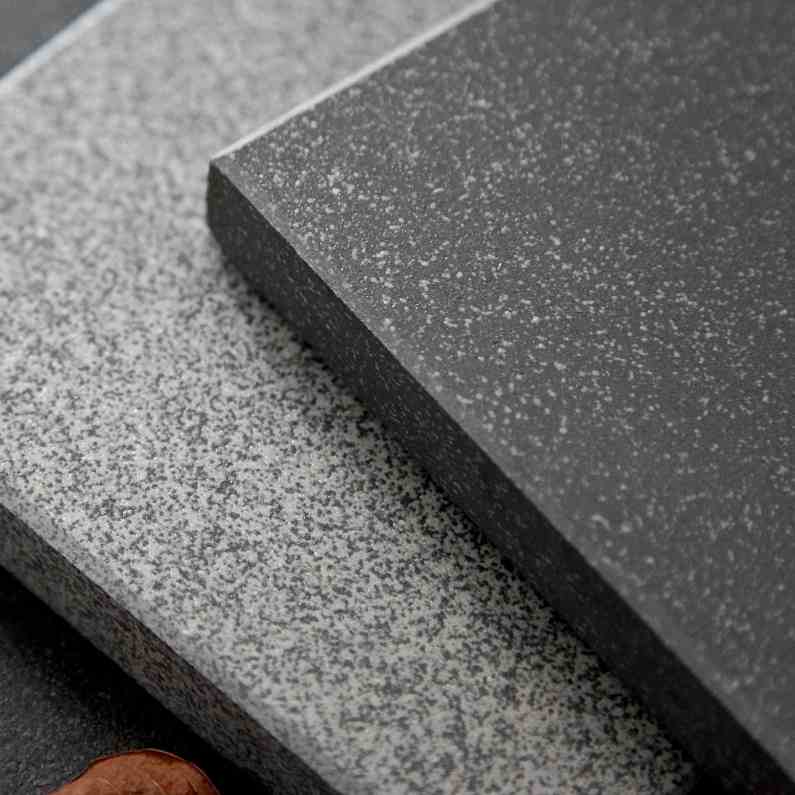
Clay bricks, when fired at high temperatures, undergo a transformation that closes off the microscopic pores which would otherwise let moisture seep in. This densification is not just about hardness—it's about creating a barrier that stands up to repeated freeze-thaw cycles. In colder climates, water that finds its way into brick can freeze, expand, and slowly tear the material apart from the inside. But a kiln-fired brick with properly developed density laughs at that process; the water simply has nowhere to go, so frost heave becomes a non-issue.
What many people don't realize is that the firing temperature and duration directly control this density. Too low, and the brick remains spongy and absorbent, inviting spalling and cracking after the first hard winter. Too high, and you risk warping or over-vitrification, which can make the brick brittle. The sweet spot—usually between 1,900°F and 2,100°F—allows the clay particles to fuse into a tight, interlocking structure that sheds water on contact while still allowing the brick to breathe just enough to release trapped vapor.
The result is a material that shrugs off decades of rain, snow, and ice without losing its structural integrity. Builders in damp or freezing regions have long known that not all bricks are equal; those with the right kiln-fired density become the quiet workhorses of foundations, garden walls, and facades. They don't need sealants or constant maintenance because the durability is baked in, not added on. That's the kind of resilience you feel when you run your hand over an old brick wall and realize it's been holding strong for fifty years without a single crack from frost.
Wood-Look Without the Rot: Texture Options Worth a Second Look
The warmth of real wood is hard to argue with, but the splitting, warping, and rot that come with it are not. That’s where newer texture work quietly shines. Instead of a flat photographic print, many porcelain tiles and composite boards now use embossed or pressed grain that matches the visual knots and cathedrals. The result has actual depth under your fingers—not just a picture of depth.
Worth a closer look are matte-finish porcelain planks with micro-beveled edges. The low sheen keeps light from bouncing off the surface in a way that screams “tile,” while the bevels break up reflections the same way real boards do. On the composite side, capped polymer decking has moved beyond repetitive fake oak. Some lines wire-brush the surface after embossing, so the grain feels slightly open and catches dust less than deeper grooves.
From a practical angle, these textures also change how you live with the material. A lightly textured matte surface hides footprints and cleaning streaks far better than high-gloss wood prints, and it doesn’t become a trap for grime. If you are mixing planks, look for boxes with varied pattern repeats—too many identical knots in a row is what gives the game away. The best options read as wood from standing height, but ask nothing of you when it comes to sanding, sealing, or praying for dry weather.
Glazed vs. Unglazed: What Actually Matters for Your Patio
Most patio debates start with color or size, but the glazed-versus-unglazed choice actually changes how you live with the surface. Unglazed tiles tend to have far better grip underfoot, especially when rain or pool water turns the area slick. A glazed tile might look glossy and inviting in the showroom, but after a downpour it can feel like walking on wet glass. That single difference often matters more than any aesthetic preference.
Glazed tiles earn their keep in other ways: spills and dirt sit on top of the glass-like layer, so a quick wipe handles most messes. They also hold onto bold colors and patterns without fading as fast. But that shiny surface reflects afternoon sun and can make a patio feel hotter and harsher. Unglazed tiles, by contrast, have a softer, more natural look and stay cooler under bare feet, though they usually need a penetrating sealer to avoid oil stains or moss buildup.
The real deciding factor is how you actually use the space. If kids run through wet from the sprinkler or the patio surrounds a pool, skip the high-gloss glaze or look for a textured glazed option. If you want low-maintenance cleanup and don't mind a brighter finish, glazed tiles make sense. Neither one is universally better—what matters is matching the tile's surface to your daily routine, not just the look you fell for in a photo.
Do You Really Need a Pro? Straight Answers on Installation
Some jobs look simple until you're halfway through, surrounded by loose parts and a nagging feeling that something isn't right. Installation work can fall into that trap fast. A towel bar or a basic shelf? Sure, most people can handle that with a drill and a level. But when it comes to anything involving electrical wiring, gas lines, heavy overhead mounting, or precise load-bearing requirements, the picture changes. The real question isn't whether you can watch a tutorial and mimic the steps—it's whether you can recognize the moment when a small mistake turns into a safety hazard or a costly repair.
Here's a straight answer: you need a pro when the work requires permits, inspections, or work that could void a warranty or insurance policy if done incorrectly. Think ceiling fans that need a fan-rated box, wall-mounted TVs on drywall without studs, or appliances that need a dedicated circuit. A professional doesn't just bring tools; they bring the judgment to spot problems behind the wall, the experience to handle unexpected snags, and the accountability if something goes wrong. The money spent often covers far more than labor—it buys a clean result and peace of mind.
The smartest approach isn't to rule out DIY entirely. It's to be honest about the gap between what you know and what the project demands. Start small, but know your limit. If the job involves structural changes, water, electricity, or gas, stop and call someone who does this every day. The extra cost is almost always cheaper than fixing a botched job, and it saves you the quiet dread of wondering if that wobble or flicker is a warning sign.
The 10-Minute Cleaning Habit That Keeps Floors Looking Fresh
Instead of trying to deep clean every floor at once, set a timer for ten minutes and focus on the paths that collect dust first. Start in the entryway and around the kitchen island, using a flat microfiber mop to grab hair and crumbs without pushing them around. A quick dry pass can lift a lot, especially if you move in one direction and shake the mop outside after each pass.
Once the obvious debris is gone, go back over the same spots with a barely damp mop. The trick is to wring it out until it feels almost dry, then work in short strokes. This removes the dull film that builds up from bare feet and pet paws without leaving streaks or water marks. Keep a second dry cloth nearby to buff any spots that stay wet longer than a minute.
The habit sticks because it has a clear endpoint. When the timer goes off, you stop, even if the far corners didn't get attention. Over a week, those missed corners become part of the next day's route, so nothing stays neglected for long. It's less about perfection and more about keeping the visible floor surface clean enough that the whole room feels lighter.
FAQ
They are fired at high temperatures to create a dense, low-porosity body, so moisture absorption stays under 0.5%. That means they resist frost damage, cracking, and moss growth far better than standard ceramic or concrete pavers.
Absolutely. Most outdoor porcelain pavers from China are rated with a breaking strength above 10,000 N and a slip resistance of R11 or higher, so they hold up under regular foot traffic, wheelbarrows, and patio furniture without chipping.
Many are finished with a textured or matte surface that provides reliable grip even in rain. Look for an R11 or R13 anti-slip rating if the area is around a pool or frequently shaded and damp.
Yes. Because the surface is non-porous, spills, leaves, and dirt sit on top rather than soaking in. A rinse with a hose or a mild detergent is usually enough; you won't need sealing or special cleaners.
For patios and walkways, 18–20 mm porcelain pavers are common. For driveways or areas that may see occasional vehicle use, 20–30 mm tiles with a compacted base are the safer choice.
You can lay them on a compacted sand or gravel bed, on pedestals, or over a stable concrete slab with adhesive. Pedestal systems work well for rooftop terraces and balconies because they allow drainage underneath.
Quality porcelain pavers are colored through the entire body or use UV-stable glazes, so they keep their tone much longer than dyed concrete or natural stone that may weather unevenly.
Yes, you can find wood-look, stone-look, and concrete-effect finishes in a wide range of sizes, from 600×600 mm to 1200×600 mm or larger plank formats, which makes it easy to match modern or traditional outdoor spaces.
Conclusion
Chinese porcelain paving tiles have earned their reputation the hard way—through decades of freeze-thaw cycles, scorching sun, and heavy foot traffic that would crack lesser materials. The secret starts in the kiln, where extreme firing temperatures fuse minerals into an exceptionally dense body. This density keeps water from seeping into microscopic pores, so frost heave and internal cracking become non-issues even in harsh climates. When you walk across a well-made porcelain paver, you feel that solid, almost stone-like resistance underfoot, not the hollow ring of standard ceramic. And unlike natural wood decking, wood-look porcelain gives you all the warmth of grain texture without the annual scraping, sealing, or the slow creep of rot.
Choosing between glazed and unglazed finishes matters more than most people realize—glazed surfaces offer vivid color and stain resistance, while unglazed options provide better slip resistance for pool surrounds. But for most patios, a matte or lightly textured glaze hits the sweet spot. Installation doesn't have to be intimidating: a competent DIYer with a level base, proper drainage sand, and edge restraints can lay a durable outdoor floor in a weekend, though tricky cuts around curves or stairs are worth hiring out. Once installed, maintenance is refreshingly dull—sweep off debris, occasionally hose down with plain water, and spot-clean stubborn marks with a pH-neutral cleaner. No sealers, no special coatings, no seasonal rituals. That quiet, low-effort longevity is exactly why more homeowners are swapping weathered timber and cracked concrete for porcelain pavers that look sharp on day one and stay that way for decades.
Contact Us
Contact Person: Emma
Email: [email protected]
Tel/WhatsApp: 8618064423698
Website: https://www.beataceramics.com/