

Bulk Calcium Chloride 77% Powder for Deicing Roads and Controlling Dust
2026-10-22
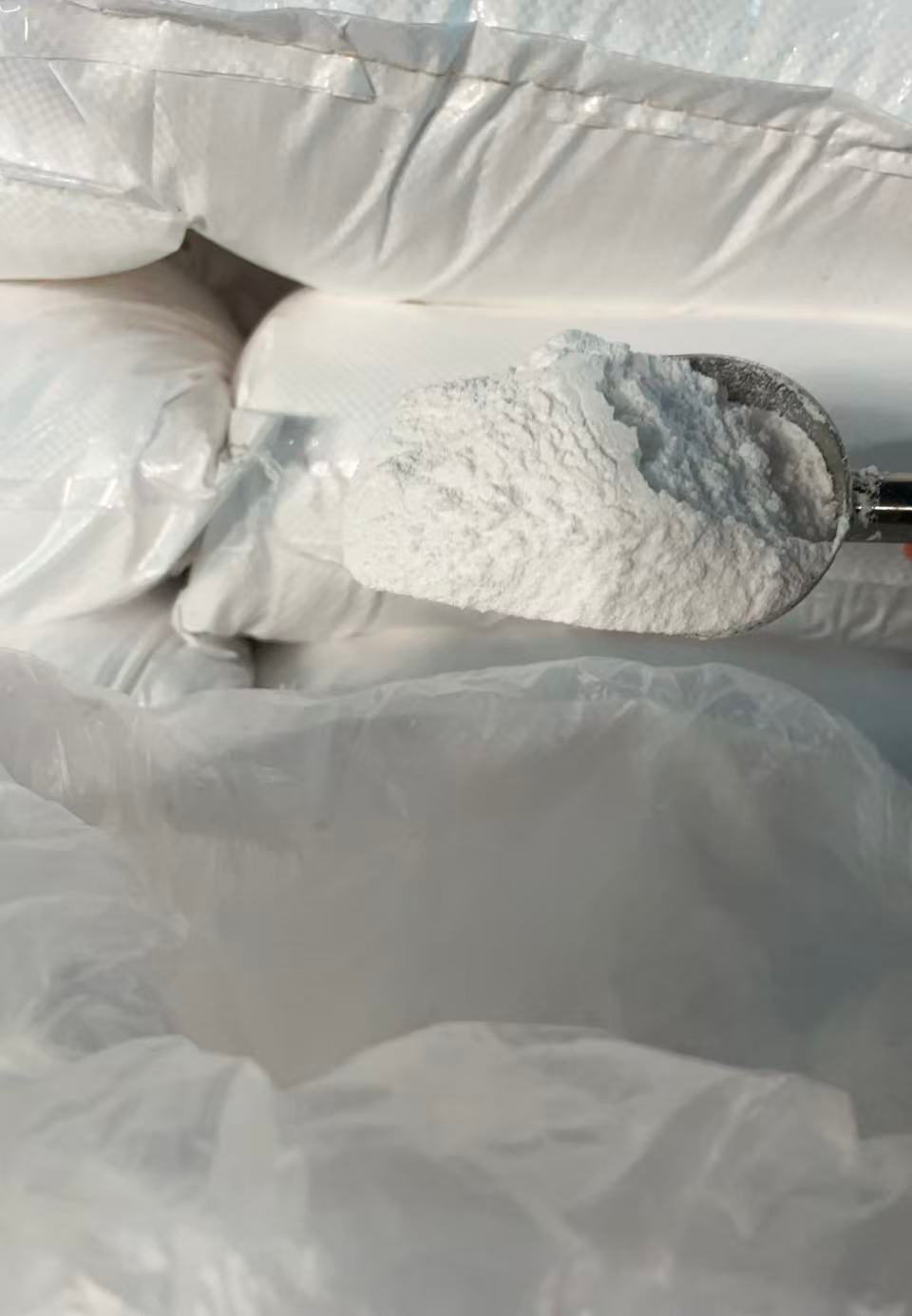
For facility managers, the shift from icy winter roads to dusty summer lots happens fast—and both extremes eat into budgets and safety. Bulk calcium chloride 77% powder tackles both problems with one product, but only if the supply chain is reliable. That’s where Shouguang Golden Chemical comes in, offering consistent bulk deliveries for real-world deicing and dust control.
Why 77% Calcium Chloride Works When Other Deicers Fail
Most deicers rely solely on lowering the freezing point of water, but calcium chloride does something no other common deicer can match: it releases heat as it dissolves. That exothermic reaction turns ice and snow into liquid almost immediately, even when air temperatures drop well below zero. Rock salt, by contrast, becomes nearly useless around 20°F, and magnesium chloride tapers off around 5°F. The 77% concentration is high enough to keep that thermal punch consistent across a wide temperature range, so a thin layer of ice doesn't get a chance to re-bond to the pavement.
Another factor is how quickly 77% calcium chloride draws in moisture. It forms a brine on contact, spreading under the ice and breaking the bond between frozen precipitation and the road surface. Lower-purity blends often contain extra water or inert material that slows down this process and leaves behind gritty residue. Because the 77% formula has fewer impurities, you get a faster melt, less product to clean up later, and reliable performance down to roughly -25°F, which is where other deicers have already given up.
The Right Way to Control Dust on Gravel Roads
Most folks reach for a water truck without thinking twice, but that rarely holds up for more than a few hot hours. The real fix starts with understanding what's actually causing the dust: loose fines on the surface, constantly kicked up by tires. If you just wet the road, you're treating the symptom, not the problem. A better move is to bind those fines together with a product designed for the job, whether that's a lignin-based binder, a calcium chloride treatment, or even a well-graded aggregate mix. Each works differently, so the right choice depends on your climate, traffic volume, and how long you need the dust gone.
Timing matters more than most road crews admit. Applying a dust control agent right after a rain or when the road is slightly damp lets the binder penetrate deeper instead of just sitting on top. But if you wait until the surface is bone dry and powdery, you'll end up with a thin crust that breaks apart within days. The best results come when you grade the road first, knock down any washboards, then treat it while there's still a little moisture in the base. That way, the product mixes into the top layer and creates a stable, dust-resistant surface that actually lasts.
And don't forget maintenance. Even the best dust control treatment wears down as traffic grinds over it. A quick touch-up every few weeks, especially during dry spells, costs far less than starting from scratch each season. Keep an eye on intersections and curves, where braking and turning knock loose more fines than straight stretches. By focusing on those high-stress spots early, you can stretch a single application much further and keep the air cleaner without constant re-watering.
How Bulk Orders Reduce Cost Per Ton
When you commit to larger volumes, suppliers can plan production runs more efficiently. Fewer machine changeovers and streamlined scheduling mean less wasted time and material, and those savings get passed along in the form of a lower rate per ton.
Shipping plays an even bigger role. A full truckload or container costs about the same to move as a half-empty one, so spreading that fixed freight expense across more product naturally drives down the per-ton figure.
There's also the negotiation angle. Buyers who order in bulk give vendors the volume certainty they need to justify discounts, better payment terms, or priority access during tight supply windows—all of which quietly chip away at the final cost per ton.
Timing and Tools for Even Spreading
Getting an even spread isn't just about having the right tool—it's about matching your motion to the material's state. Many people rush the process the moment the mix hits the surface, but early spreading when it's still too stiff or too loose creates rifts you'll fight later. A good rule is to wait until the material relaxes just enough to respond to gentle pressure, then work in overlapping passes rather than one long sweep.
Your choice of tool matters more than you'd think. A notched trowel gives you consistent gauge depth, while a flat squeegee works wonders for thin, self-leveling coats. For coarser or thicker mixes, switch to a gauge rake or a stiff-bladed spreader so you're not fighting the aggregate. Don't overlook the humble straightedge—running it diagonally across your spread at a low angle shows you exactly where highs and lows hide before they lock in place.
Finally, time your passes so the leading edge never dries out. If you're working a large area, use a wet-edge technique: keep a small amount of material near the boundary and blend each new section into the previous one within a minute or two. For temperature-sensitive products, pre-cool or pre-warm your tools slightly—this small habit prevents premature skinning and gives you a cleaner, flatter result with far less rework.
Minimizing Corrosion and Environmental Impact
Corrosion quietly eats away at industrial infrastructure, but its environmental toll is often overlooked. Every rusted pipeline or degraded storage tank eventually releases metal oxides and chemical byproducts into surrounding soil and water. Traditional protective coatings merely postpone the inevitable, while many corrosion inhibitors introduce toxic compounds that accumulate in ecosystems. The real challenge is breaking this cycle—designing protection strategies that neither sacrifice durability nor poison the environment they operate in.
A shift toward bio-based inhibitors and sacrificial alloys with lower ecological footprints is gaining traction in marine and coastal applications. For instance, extracts from plant tannins and certain amino acids have shown promise in slowing steel corrosion without the heavy metal load of conventional chromate treatments. Meanwhile, cathodic protection systems are being re-evaluated not just for their electrical efficiency, but for how their anode dissolution products interact with sensitive aquatic habitats. The goal is no longer simply to extend asset life, but to ensure that the materials we deploy do not create a secondary, slow-motion pollution event.
Practical progress depends on measuring both corrosion rate and environmental release together. New monitoring approaches pair electrochemical sensors with water and soil sampling to track whether a coating is truly containing degradation products or simply delaying their escape. This dual lens helps engineers select systems that perform well under real-world conditions without hidden ecological costs. Ultimately, minimizing corrosion and environmental impact is not two separate tasks—it is one integrated design problem that rewards those willing to rethink material choices, maintenance intervals, and end-of-life recovery from the start.
Calcium Chloride vs. Rock Salt: What Actually Melts Faster?
When you toss a handful of ice melt onto a frozen sidewalk, the speed difference between calcium chloride and rock salt is dramatic. Calcium chloride starts working almost immediately, generating heat as it dissolves and pulling moisture from the air to form a brine even in sub-zero temperatures. Rock salt, which is simply sodium chloride, needs to first find liquid water to begin dissolving, and its melting action slows sharply once the temperature drops below about 20°F. In a side-by-side test on a sheet of ice at 10°F, calcium chloride will bore through the surface in minutes while rock salt sits there largely inert.
The reason comes down to chemistry. Calcium chloride releases roughly 30% more heat when it dissolves than rock salt does, and it lowers the freezing point of water far more effectively—down to around -25°F compared to rock salt’s practical limit of about 15°F. That means calcium chloride not only melts faster but keeps working through colder nights. However, rock salt remains popular because it costs a fraction of the price and works fine for most mild winter days. If you need quick action on a steep driveway or an icy stair, calcium chloride wins the race every time.
FAQ
The remaining 23% is mostly water and a small amount of other salts, so you're getting a concentrated product that still flows well in bulk handling.
Calcium chloride works down to around -25°F (-32°C) and releases heat as it dissolves, so it melts ice faster than plain rock salt, especially in colder conditions.
Because it's hygroscopic, it pulls moisture from the air and keeps the road surface slightly damp, which prevents fine particles from kicking up under traffic.
A standard salt spreader or drop spreader works for deicing. For dust control, you can spread it dry and then lightly water it, or apply a pre-mixed liquid solution with a spray truck.
A light, even layer goes a long way—usually around 2 to 5 ounces per square yard for deicing, but for dust suppression many operators start with 1 to 2 pounds per square yard and adjust based on traffic.
Like all chloride-based deicers it can accelerate corrosion and scaling if over-applied. Using the minimum effective dose and rinsing surfaces after the season reduces that risk.
Keep it in a dry, covered area, off the ground, and reseal opened bags or cover bulk piles. It will absorb moisture if exposed, so avoiding humidity is key.
It's generally more effective at lower temperatures than rock salt and often cheaper per lane mile than magnesium chloride, though magnesium may be less aggressive on vegetation.
Conclusion
Contractors and municipal crews often discover that standard rock salt stops working below 20°F, leaving icy patches on driveways and haul roads. Bulk 77% calcium chloride powder pushes that threshold down to roughly -25°F, making it a reliable choice for deep-freeze conditions. The pelletized form dissolves quickly and releases heat as it mixes with moisture, which accelerates melting on contact. For gravel road maintenance, the same hygroscopic property draws water from the air, keeping the surface damp and preventing dust clouds from forming. A single bulk order typically cuts cost per ton by 15–30% compared to bagged material, and since you need less product per square yard than rock salt, the savings compound over a full winter season.
To spread 77% calcium chloride evenly, use a calibrated drop spreader or a tailgate broadcaster with an adjustable gate, aiming for 8–12 pounds per 1,000 square feet on light ice and up to 20 pounds for hardpack. Timing matters: pre-wetting the granules slightly or applying before a storm prevents them from bouncing off the surface. While all chloride salts can corrode metal, adding a corrosion inhibitor and rinsing equipment after each shift keeps trucks and spreaders in good shape. In a direct comparison, calcium chloride melts ice roughly twice as fast as rock salt at 15°F and continues working long after sodium chloride has turned into useless grit. Pairing proper storage—sealed bulk bags on pallets—with a simple maintenance routine lets road crews handle both winter traction and summer dust control without switching products.
Contact Us
Contact Person: Tom Cui
Email: [email protected]
Tel/WhatsApp: +8618663670626
Website: https://www.jinjigoldenchem.com